

What Happens When a Nigerian Loan App Reports You to a Credit Bureau?

Introduction
With the advent of loan apps in Nigeria, loan borrowing has become far easier than ever before. No collateral, no extensive paperwork and no guarantor needed. It is funnily much easier to default on loan repayment as you ignore phone calls and messages, spamming their phone numbers on truecaller, not being intimidated by their harassment tactics especially when you are armed by the knowledge of your right as a borrower under the law.
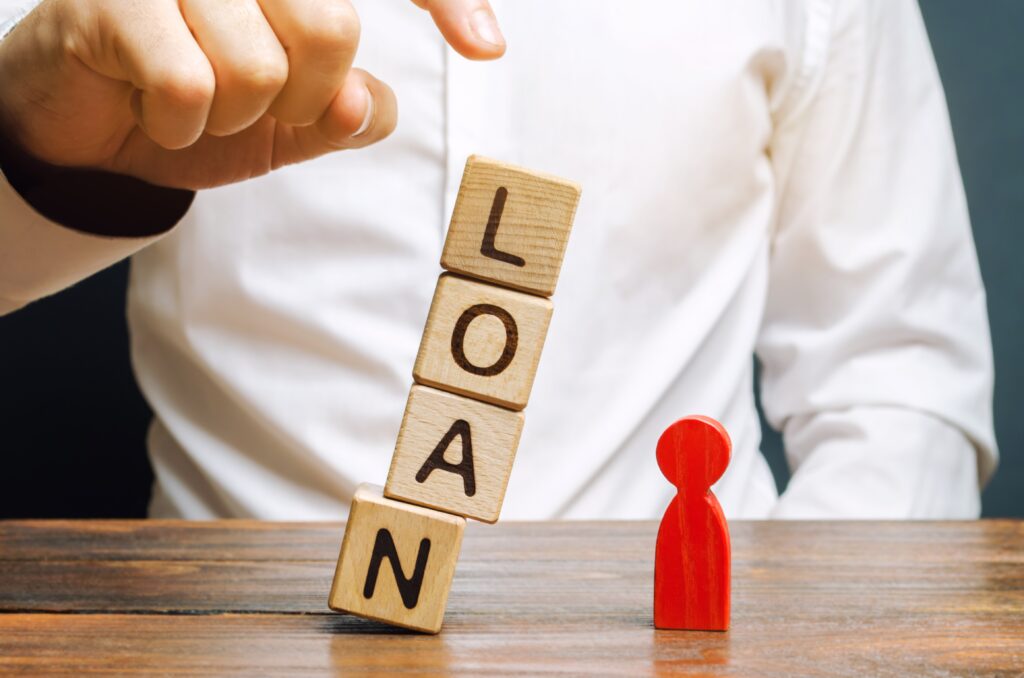
Unfortunately, the consequences go beyond importunate phone calls and messages. You stand the risk of being reported to credit bureau, which has a far more reaching effect on you in the future. It damages your financial reputation and future access to loans.
In recent years, more licensed digital lenders in Nigeria have started sharing borrower information with credit bureaus. This practice helps lenders assess risk and determine whether a borrower has a history of repaying debts responsibly.
In this post, you will learn:
- What a credit bureau is
- Why loan apps report borrowers
- What happens after a report is made
- How credit records affect your finances
- How to check your credit report
- How to rebuild your financial reputation after a negative report
Understanding these issues can help you make smarter borrowing decisions and avoid long-term financial difficulties.
What Is a Credit Bureau?
A credit bureau is an organization that collects, stores, and manages information about the borrowing behavior of individuals and businesses.
The purpose of a credit bureau is to help lenders evaluate whether a borrower is likely to repay a loan.
Credit bureaus collect information such as:
- Existing loans
- Loan repayment history
- Outstanding debts
- Credit inquiries
- Borrowing patterns
This information is used to create a credit profile for each borrower.
Why Do Credit Bureaus Exist?
Credit bureaus help create transparency within the financial system.
Without credit records, lenders would find it difficult determine whether a borrower is trustworthy or not.
Credit bureaus help:
- Reduce lending risks
- Promote responsible borrowing
- Encourage timely repayment
- Support financial stability
They serve as a bridge between lenders and borrowers.
Why Loan Apps Report Borrowers to Credit Bureaus
You have to note that only licensed loan apps can report you to credit bureau. Many licensed loan apps share customer repayment information with credit bureaus.
They do this to:
- Protect themselves from losses
- Discourage loan defaults
- Verify borrower histories
- Improve lending decisions
Reporting is often part of the loan agreement that borrowers accept during registration.
Does Every Loan App Report to Credit Bureaus?
Not every loan app reports borrowers.
However, many licensed digital lenders and financial institutions now work with credit bureaus.
Borrowers should never assume that a loan app cannot affect their credit profile.
As regulations continue to improve, more lenders are likely to participate in credit reporting systems.
What Information Can Be Reported?
Loan apps may report the following information:
Personal Details
These may include:
- Full name
- Phone number
- Bank Verification Number (BVN)
- Date of birth
Loan Information
This may include:
- Loan amount
- Repayment schedule
- Outstanding balance
- Loan duration
Repayment Behavior
Lenders may indicate:
- On-time payments
- Late payments
- Defaults
- Settled debts
This information becomes part of your credit history.
What Happens When You Miss a Repayment Deadline?
The first consequence is usually communication from the lender.
You may receive:
- SMS reminders
- Emails
- Phone calls
- Notifications through the app
Many lenders encourage borrowers to settle their debts before taking additional action.
What Happens If the Debt Remains Unpaid?
If the loan remains unpaid for an extended period, the lender may classify the account as delinquent or defaulted.
At this stage, the lender may:
- Add penalties
- Increase collection efforts
- Report the account to a credit bureau
The exact process varies depending on the lender’s policies.
What Is a Credit Report?
A credit report is a record of your borrowing history.
It contains information about:
- Current loans
- Past loans
- Repayment patterns
- Credit inquiries
- Outstanding obligations
Lenders review credit reports when deciding whether to approve new loans.
How a Negative Credit Report Can Affect You
Many borrowers underestimate the importance of credit records.
A negative report can affect several aspects of your financial life.
Difficulty Getting Future Loans
One of the most common effects is difficulty obtaining new loans. This is because a negative credit report shows that you are not trustworthy.
Lenders may view borrowers with poor repayment histories as high-risk customers.
This may result in:
- Loan rejection
- Lower loan limits
- Stricter approval requirements
Higher Interest Rates
Some lenders may still approve loans for borrowers with poor credit histories.
However, they may charge:
- Higher interest rates (the reason for this has been discussed in one of our posts)
- Additional conditions
- Smaller loan amounts
This invariably leads to an increase in borrowing costs.
Reduced Financial Opportunities
A poor credit record can limit access to certain financial products.
Some institutions may review credit histories before offering:
- Business loans
- Personal loans
- Asset financing
Good credit behavior creates more financial opportunities.
Can a Credit Bureau Take Money From Your Account?
No.
Credit bureaus do not directly withdraw money from borrowers’ bank accounts.
Their role is primarily to:
- Collect information
- Maintain records
- Provide reports to lenders
They are not debt collectors.
Can You Be Arrested for Owing a Loan App?
In Nigeria, owing a civil debt is generally not a criminal offense.
However, borrowers should always seek proper legal advice regarding specific situations.
The main consequence of loan default is usually financial rather than criminal.
How Long Does Negative Information Stay on a Credit Record?
The duration may vary depending on regulations and reporting practices.
Credit records are typically maintained for a period of time to help lenders assess risk.
This is why addressing debt issues promptly is important.
How to Know If You Have Been Reported
Many borrowers only discover credit issues when they apply for another loan.
You can be proactive by checking your credit information periodically.
This helps you:
- Identify errors
- Monitor your financial reputation
- Understand your borrowing profile
Why You Should Check Your Credit Report Regularly
Regular monitoring can help you:
- Detect incorrect information
- Track repayment history
- Understand your financial standing
- Resolve disputes early
Financial awareness is a valuable habit. Don’t be ignorant.
What If the Information Is Incorrect?
Mistakes can happen.
Examples include:
- Incorrect loan balances
- Wrong repayment status
- Duplicate records
If you notice an error, contact the relevant lender and credit bureau for clarification and correction.
Keep supporting documents whenever possible.
Can You Repair a Damaged Credit Reputation?
Yes.
Your credit score isn’t irreversible.
A negative credit history does not have to be permanent.
Many borrowers rebuild their financial reputations over time.
Step 1: Settle Outstanding Debts
The first step is addressing unpaid obligations.
Creating a repayment plan can help you gradually reduce debt.
Step 2: Avoid New Unnecessary Loans
Repeated borrowing can make recovery more difficult.
Focus on stabilizing your finances before taking additional debt.
Step 3: Pay Future Obligations on Time
Consistent repayment behavior demonstrates financial responsibility.
Over time, positive repayment patterns can strengthen your credit profile.
Step 4: Build Better Financial Habits
Healthy financial habits include:
- Budgeting
- Saving regularly
- Managing expenses carefully
- Avoiding impulse borrowing
These habits support long-term financial health.
Why Responsible Borrowing Matters
Borrowing itself is not bad.
Loans can help with:
- Education
- Business growth
- Medical emergencies
- Important personal needs
Problems arise when loans are taken without proper planning.
Responsible borrowing reduces financial stress.
Common Mistakes That Lead to Credit Problems
Many borrowers make avoidable mistakes such as:
Ignoring Loan Terms
Some people accept loans without understanding:
- Interest rates
- Penalties
- Repayment schedules
Borrowing More Than They Can Afford
Large loan obligations can become difficult to manage.
Using Loans for Non-Essential Spending
Borrowing for luxury purchases often creates unnecessary debt.
Missing Repayment Dates
Late payments can quickly damage a borrower’s reputation.
How to Protect Your Credit Reputation
Maintaining a strong credit profile requires discipline.
Practical tips include:
- Borrow only when necessary
- Read loan agreements carefully
- Repay on time
- Track due dates
- Maintain a budget
- Build an emergency savings fund
These habits can reduce the risk of future problems.
The Growing Importance of Credit Records in Nigeria
Nigeria’s financial system continues to evolve.
As digital lending grows, credit histories are becoming increasingly important.
Lenders now have more tools to assess borrower behavior.
This means financial responsibility matters more than ever before.
The Benefits of Having a Good Credit Record
A strong credit profile can provide advantages such as:
- Easier loan approvals
- Better borrowing terms
- Higher lender confidence
- Improved financial opportunities
Good credit behavior can support future financial goals.
Financial Discipline Is the Best Protection
The easiest way to avoid credit problems is through financial discipline.
This includes:
- Planning expenses
- Borrowing carefully
- Repaying promptly
- Building savings
Small financial decisions today can have long-term effects tomorrow.
Final Thoughts
When a Nigerian loan app reports a borrower to a credit bureau, the consequences can extend beyond the immediate loan itself.
A negative credit report may affect:
- Future loan approvals
- Borrowing costs
- Financial opportunities
However, borrowers are not powerless.
By:
- Understanding how credit reporting works
- Monitoring credit information
- Repaying debts responsibly
- Practicing better financial habits
you can protect and improve your financial reputation.
Remember, every loan you take becomes part of your financial story. Making responsible borrowing decisions today can help create a stronger and more secure financial future tomorrow.
Be aware of your credit history and do everything you have learnt to put it on the positive side.